May 4, 2026
Commercial security camera services play a crucial role in maintaining safety and security in various industries. As businesses seek to protect their assets, the demand for robust surveillance systems continues to grow. These services ensure that facilities are monitored effectively, curtailing potential threats. This article explores the essential elements and considerations for businesses when choosing and utilizing commercial security camera systems. Understanding these facets is vital for making informed decisions that could significantly impact overall business security.
1. Considering Different Types of Security Cameras
Dome cameras are popular due to their discreet design and 360-degree coverage capability. These cameras are encased in a dome-shaped housing, which makes them both aesthetically pleasing and functional. Dome cameras are difficult to tamper with and are suitable for use in both indoor and outdoor settings. This type of camera offers versatility and can be easily integrated into existing security systems. Dome cameras are particularly beneficial in environments where surveillance needs to remain unobtrusive.
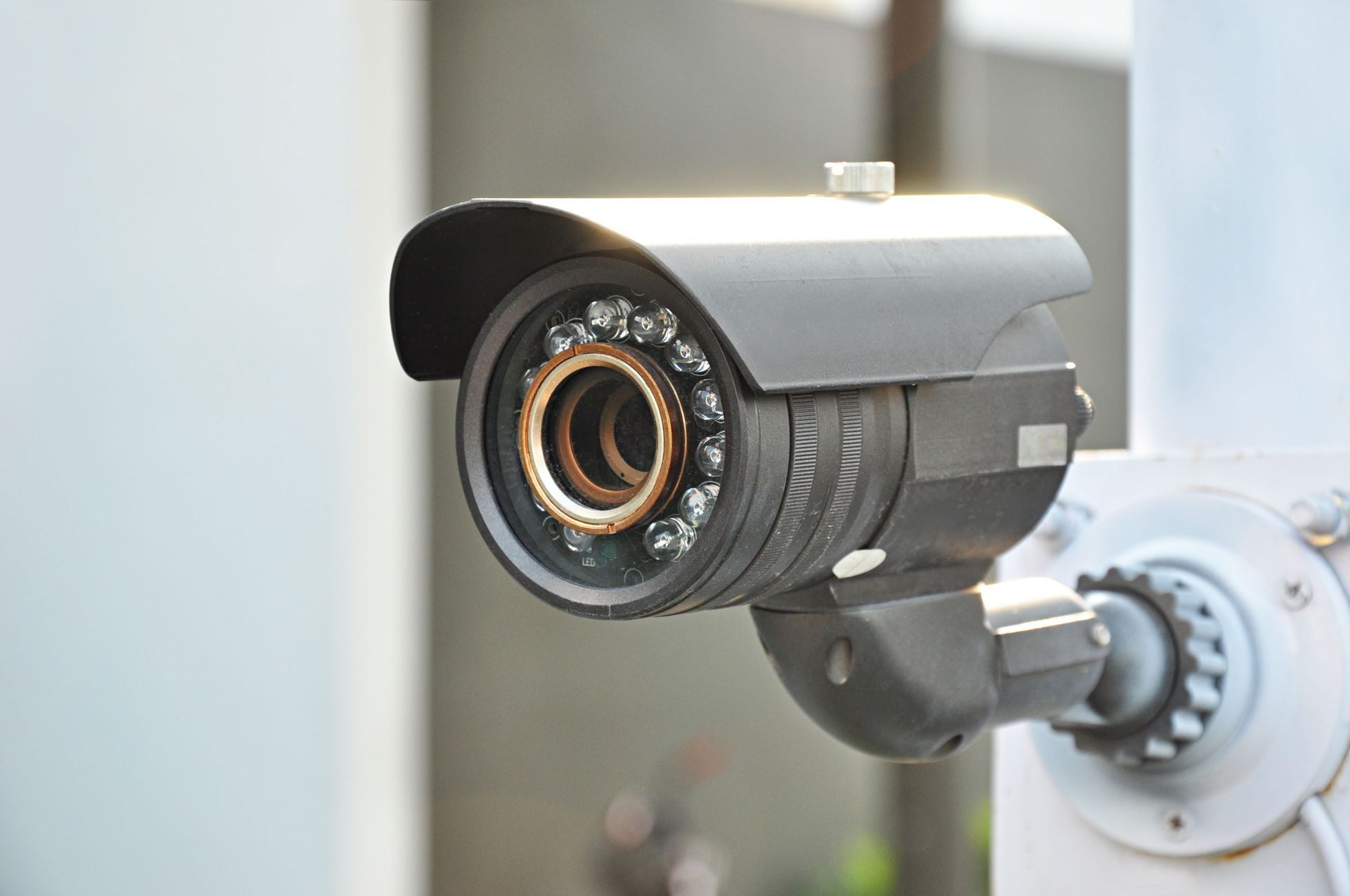
Bullet cameras, named for their cylindrical shape, are known for their range and clarity. These cameras are generally weatherproof, making them ideal for outdoor use. They are often mounted to poles or walls, providing a visual deterrent due to their noticeable presence. Their focal range allows for detailed footage, crucial in environments needing precise surveillance like parking lots and large retail spaces. Bullet cameras are a reliable choice for areas requiring extensive, high-quality coverage.
PTZ (Pan-Tilt-Zoom) cameras offer comprehensive surveillance capabilities with advanced functionality. They afford operators the ability to pan left or right, tilt up or down, and zoom in on specific areas of interest. PTZ cameras are particularly effective in dynamic environments where tracking movement is essential. They can be manually controlled or set to patrol predetermined paths. This flexibility makes PTZ cameras invaluable tools for large spaces such as warehouses and public venues where broad surveillance is necessary.
2. Looking for Features in Security Camera Systems
Resolution quality is a critical feature when evaluating commercial security camera systems. High-resolution cameras produce clearer, more detailed images, aiding in accurate identification and evidence collection. The minimum resolution requirements may vary depending on the environment and surveillance needs. HD or 4K cameras provide superior image clarity, ideal for high-stakes locations requiring meticulous detail. Investing in quality resolution can enhance both live monitoring and recorded footage review.
Storage solutions involve deciding between local and cloud storage based on operational needs and privacy requirements. Local storage, often through DVRs or NVRs, offers control over footage, while cloud storage provides easy access and scalability. Each option comes with its own set of pros and cons; local storage is secure and offers faster retrieval, while cloud storage boasts remote accessibility and redundancy. Weighing these choices against business needs is essential for optimal security system functionality. Effective storage management ensures that vital footage is retained and accessible as required.
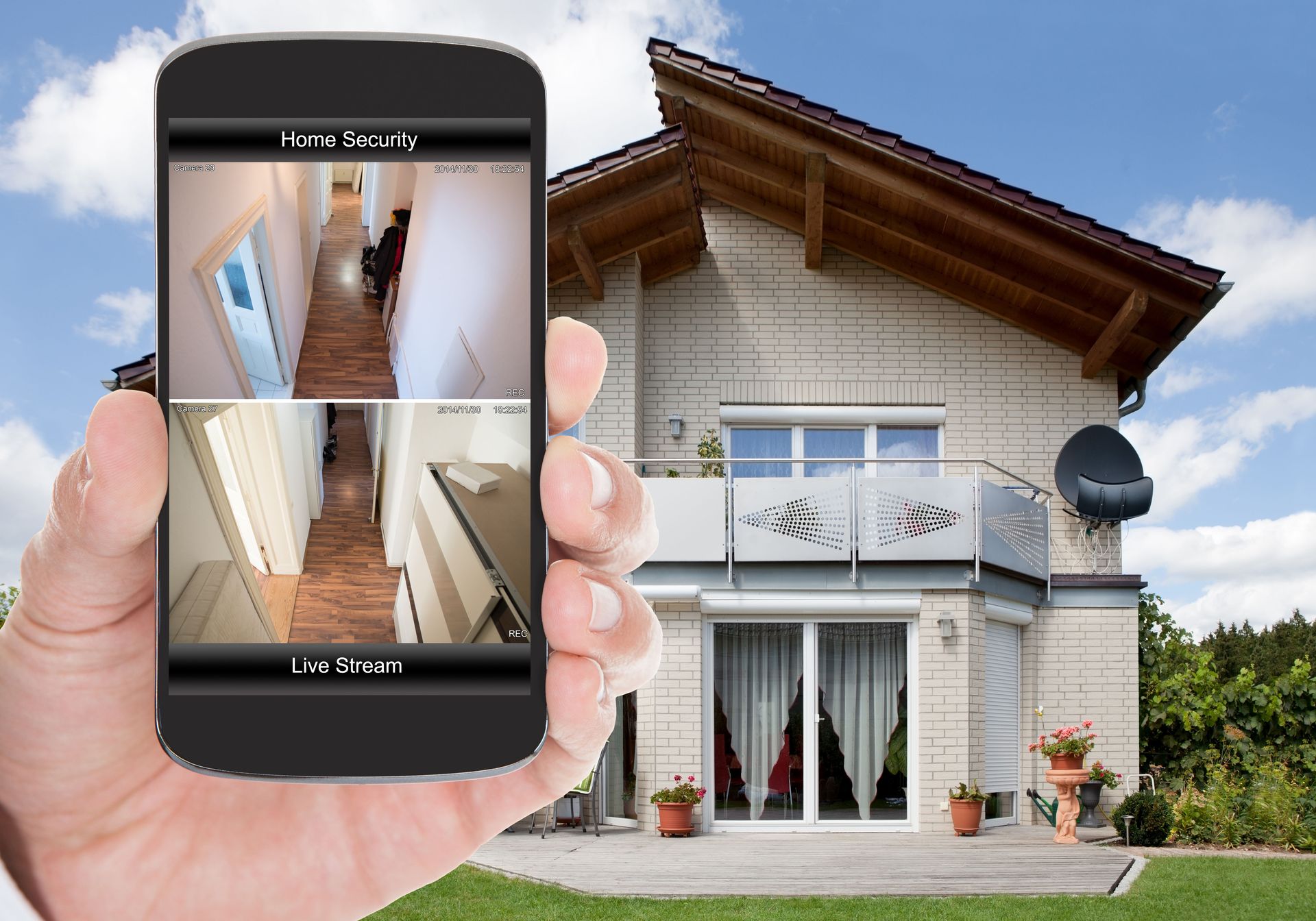
Modern security systems benefit from diverse connectivity options, such as wireless capabilities, aiding in flexibility and ease of installation. Smart home or facility integration enhances the functionality and control of security systems. Remote access, via mobile devices, allows users to oversee and manage surveillance systems from virtually anywhere. Integration with existing security infrastructure ensures comprehensive monitoring, while connectivity enhances system scalability.
3. Benefiting From Commercial Security Camera Services
The presence of commercial security camera systems acts as a strong deterrent against criminal activities, as their visibility often discourages potential wrongdoers. In both residential and commercial settings, the mere sight of cameras can reduce incidents of vandalism, theft, and other illicit activities. Cameras provide a sense of security, making people think twice before committing a crime. Businesses and homeowners alike benefit from the preventive nature of these systems, ensuring safety of lives and property. According to reported statistics from The Zebra, 46.9% of individuals lack home security systems. This percentage helps emphasize the need for increased adoption.
Surveillance systems can indirectly influence employee behavior, fostering a productive and professional work environment. When employees know they are being monitored, they are more likely to adhere to company policies and maintain a higher level of accountability. Security cameras can deter theft and misconduct, ensuring that business operations remain streamlined. The increased transparency that cameras provide can foster a culture of integrity and responsibility within the workplace. This boost in productivity often translates to improved business performance and morale.
Insurance companies often offer discounts on premiums for businesses that have comprehensive security systems in place. By installing surveillance cameras, businesses can demonstrate a proactive approach to mitigating risks and reducing potential claims. As a result, insurers are incentivized to offer lower rates as the perceived risk of insured property damage or loss decreases. This reduction in insurance costs can provide significant long-term savings for companies.
4. Considering Legal and Ethical Dilemmas
Operating security cameras necessitates strict adherence to privacy laws and regulations that protect individual rights. Different regions have specific laws governing surveillance, including requirements for notifying individuals of being monitored. Businesses must remain informed about legal updates to ensure compliance and avoid potential penalties. Informed consent is a critical facet, balancing effective security with respect for personal privacy. Maintaining transparent policies not only supports legal alignment but also builds trust within communities and work environments.
Ensuring employees are aware of surveillance measures is crucial for maintaining transparency and trust. Companies should clearly communicate their surveillance policies, explaining the purpose and scope of monitoring activities. Establishing protocols for employee final include involving staff in discussions and addressing concerns or misconceptions. Transparent practices include visible signage and clear notification of surveillance areas. Such candidness cultivates a respectful and informed workplace, paving the way for smoother implementation and greater acceptance.
Securing video footage against unauthorized access and breaches is paramount to maintaining integrity and confidentiality. Businesses should employ robust cybersecurity measures, including data encryption and secure data transfer protocols. Regular audits and system updates are essential for identifying vulnerabilities and addressing them promptly. Employing two-factor authentication can enhance security, ensuring only authorized personnel access the footage.
5. Choosing a Commercial Security Camera Service Provider
When selecting a security camera service provider, evaluating reputation is crucial for ensuring reliable service. Prospective clients should research customer reviews, testimonials, and case studies, providing insight into the provider's history and reliability. Engaging directly with past clients can offer firsthand information about the provider's strengths and weaknesses. Ensuring the provider demonstrates a commitment to customer satisfaction and quality assurance is key. A thorough reputation assessment mitigates risks associated with subpar implementations or support.
Customizability is integral to aligning security solutions with specific business needs and challenges. Providers offering tailored solutions can better address unique security requirements based on industry or location. Flexibility in solutions enhances the system's efficiency and ensures comprehensive protection coverage. By working closely with providers, businesses can build systems that integrate seamlessly with existing infrastructure. Tailored services not only enhance security but also yield higher satisfaction by accommodating distinct operational contexts.
Ongoing support and service are pivotal aspects of maintaining a high-functioning security system. Post-installation services should include regular maintenance, system updates, and troubleshooting assistance. Robust after-sale support ensures issues are promptly addressed, minimizing potential downtimes or security lapses. Providers should offer training or resources to empower clients in managing systems effectively.
Understanding the various facets of
commercial security camera systems is crucial for any business looking to protect its assets. Through effective implementation, businesses can deter crime, enhance productivity, and safeguard against liabilities. For more information about how you can protect your business with security camera, reach out to Bulldog Alarms Inc, and speak with one of our technicians today.